INTRODUCTION
In this Couse there are 3 Videos with the total duration of approximately 4 hours and 40 minutes. You will have four Sample paintings to complete to give you some practice before tackling the two larger works. All the information you need is covered from start to finish. Paint along with Julie at your leisure, with the colour mixing in full view. Stop and start at your convenience. Many techniques will be tackled so that you can advance your skills.
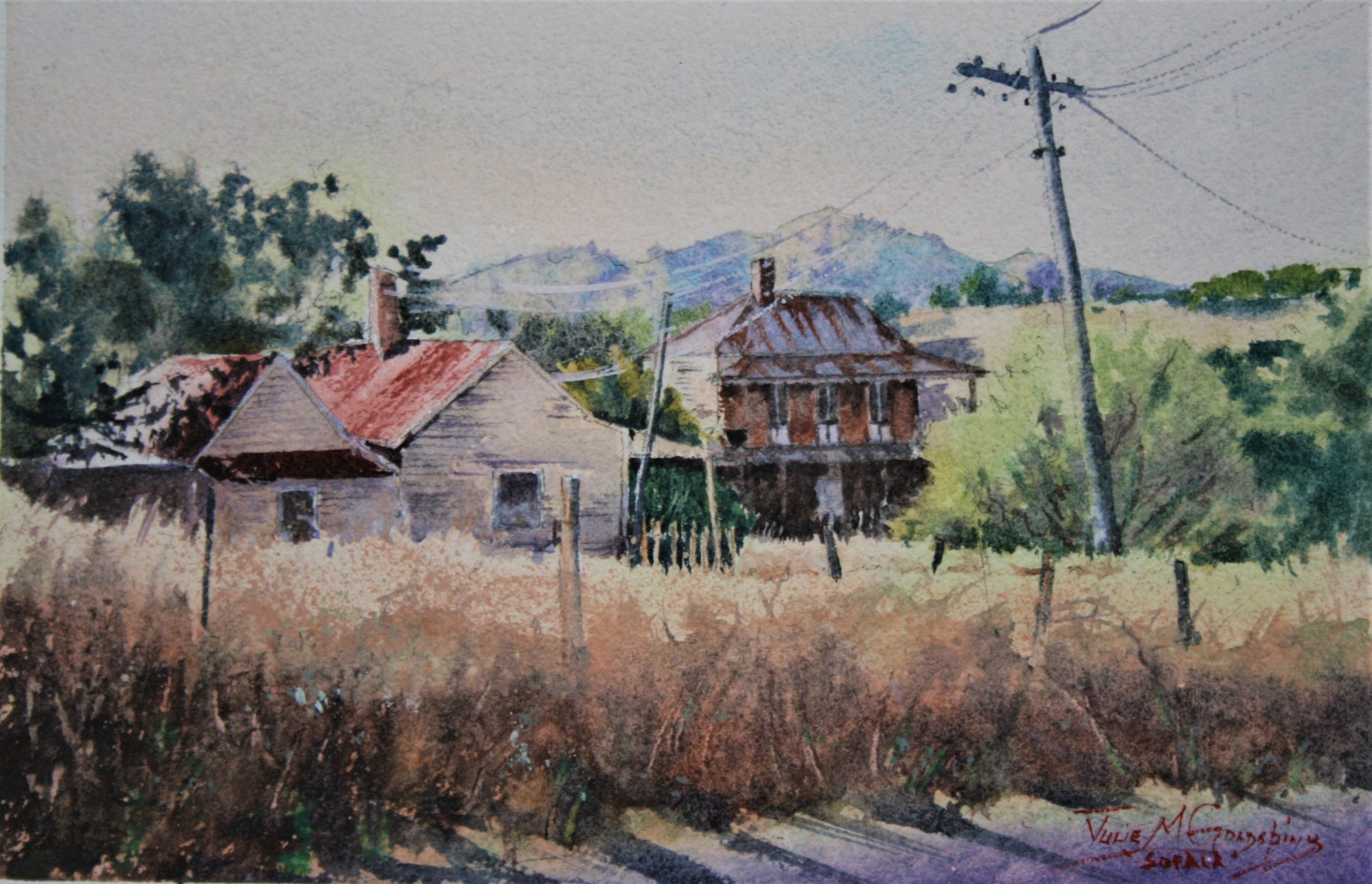
Course 2 Grasses, Shadows and Textures in Watercolour
Don't forget to pause/stop your video when you need to action what you have seen or wish to stop until you are ready to move on. It is advisable to either jot down the time or leave the slider in place. Of course you may move it back and forward at will.
Video 1 First steps to wash in the lights
This is an important concept that we always consider when painting in watercolour. I want to impress upon you the importance of leaving the white of your paper and or starting with your lightest tones of the colours that you see when you study your image. You will also see that the colours will dry lighter which is useful when setting the delicate lights for your painting.
So, when you do these examples remember to save them for future reference. This important step will show you wet in wet technique to enable soft edges.
Video 2: Lesson 2 : Shadow Play on Long Grasses.
This video will start the closer inspection of grasses. The following videos are all part of Lesson Two which takes you through shadows and textures.
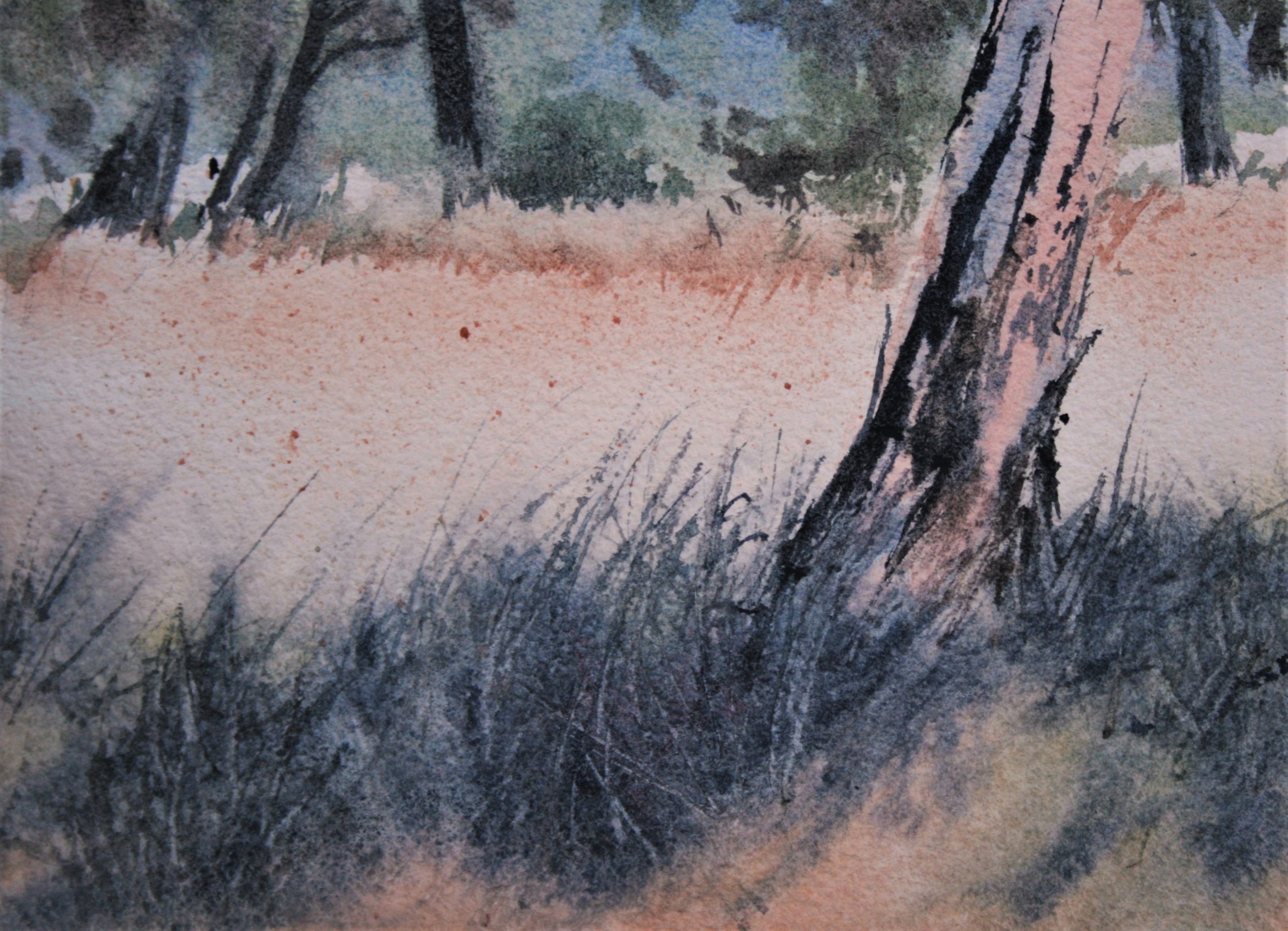
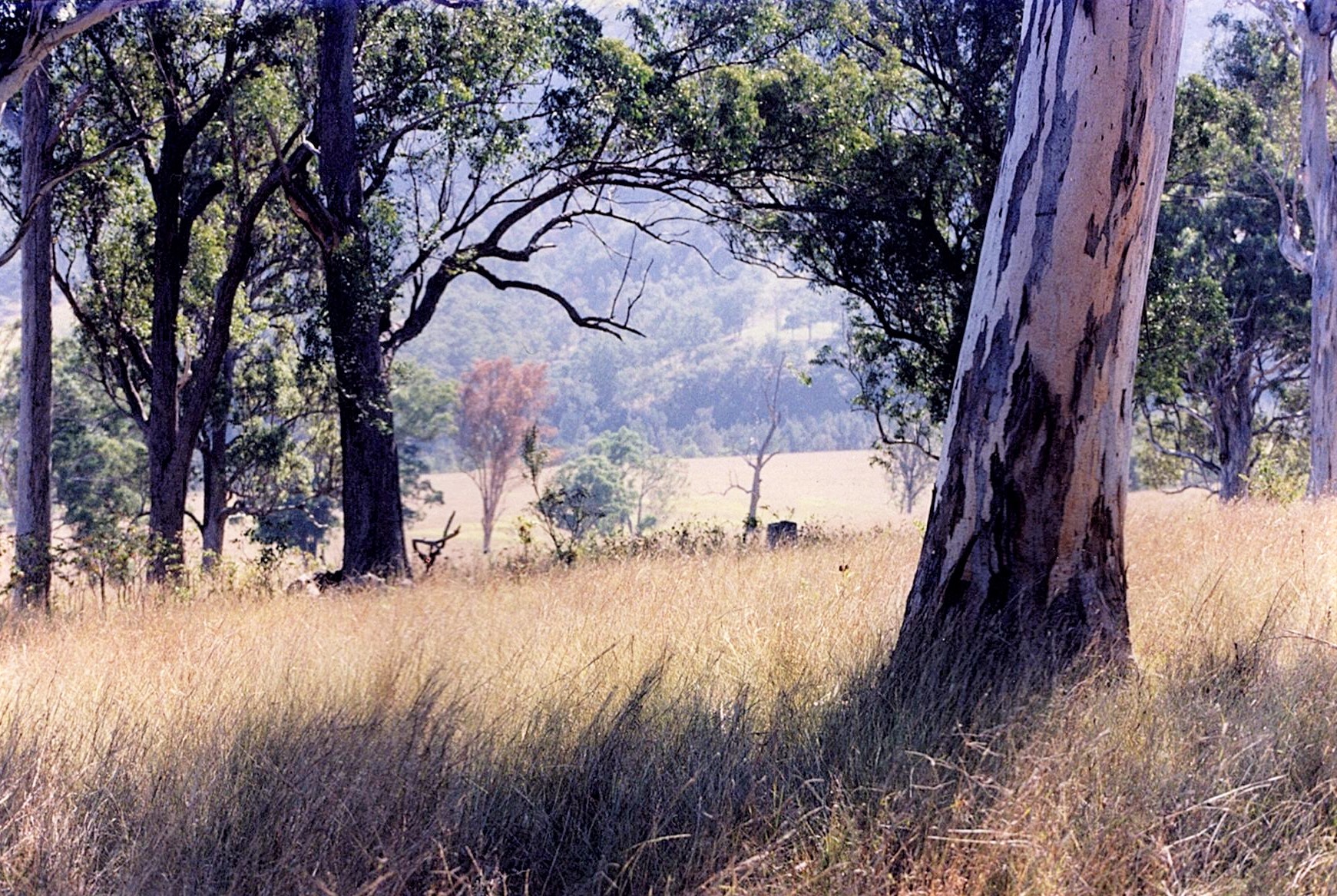
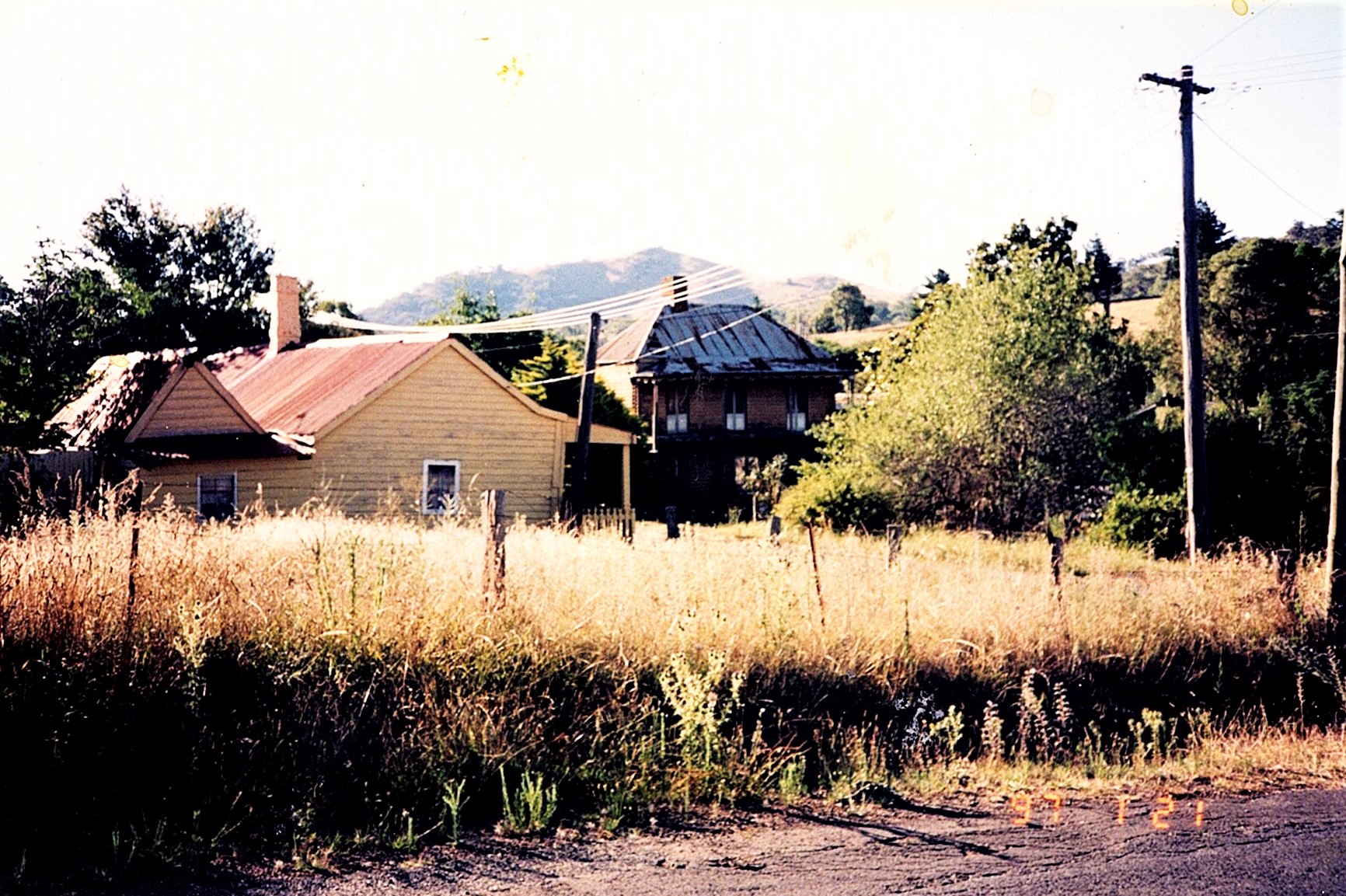
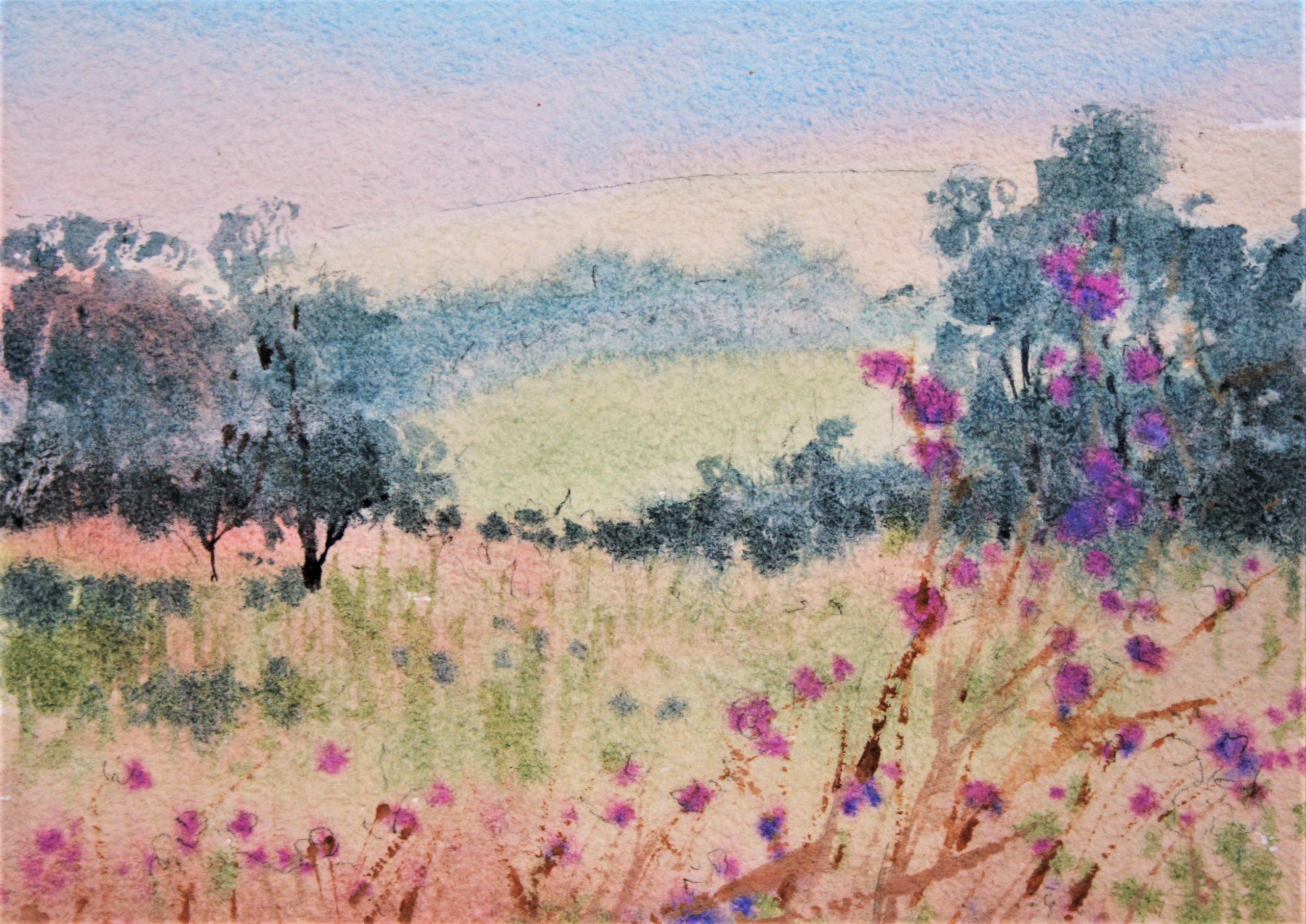
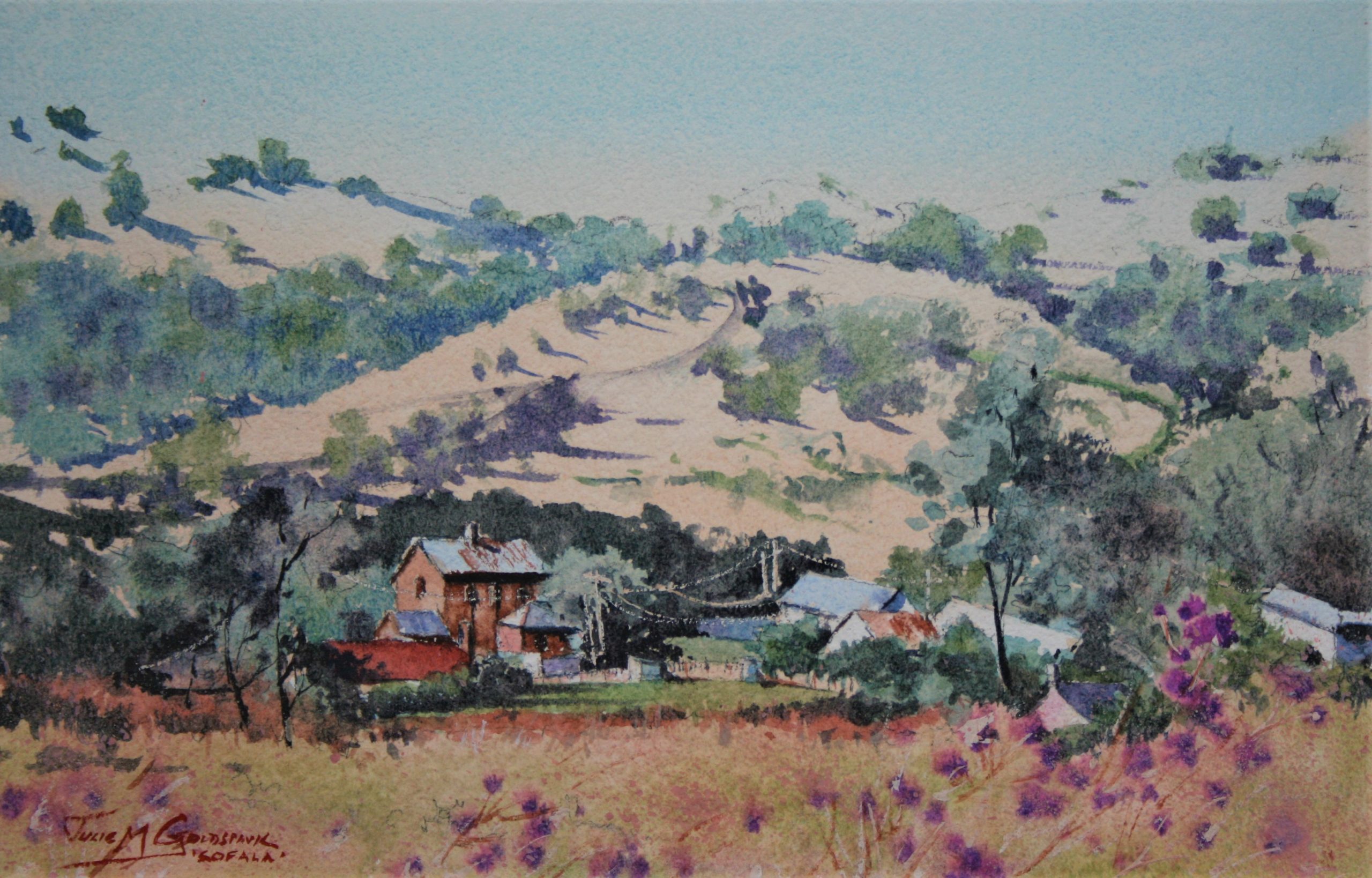
I start with a discussion about the four images that you can download and print if you wish. They are found at the end of this page.
In addition, I will go through your set-up, composition, materials and suggested paint required for this Lesson. I will also paint the first two Sample/Studies
Video 3: Grasses, Shadows and Textures in Watercolour: Close-up work with Texture and Shadows.
1 hr 40mins
In this video you will see me complete Sample/Studies three and four, which will show you close-ups of applying texture and shadows. I will then commence the first of the larger paintings, which will put into practice, what you have learned from your smaller studies.
Video 3: Grasses, Shadows and Texture in Watercolour: Completing the two larger landscapes.
In the last video for Lesson 2, I will complete both the landscapes, which will incorporate all the methods and techniques you have learned in your previous studies.
I am sure you will start to see the improvement in your skills and will look forward to Module 2.
A quick note of importance.
I'm sure you know but just in case you aren't aware , please remember that all teaching videos and studies done in any class (not just Julie's) are for educational purposes only. What does that mean? The teacher/artist is showing their method, thoughts, and learning, allowing a student to try it to test and become familiar with the concept, the process or idea. It therefore is not the student's original thought or creation and must not be reproduced or presented as their own creation. That would be a breach of copyright. It is a courtesy to sign it on the back as your study of ... the teacher's name by your name.
This is one of the first signs and way of honouring the original unaided creations of an artist. The same respect will be given to any artist who signs their name on an artwork. It is the signature that claims it as their original creation.
I look forward to you moving forward from these lesson studies, using the concepts learned, adding them to your own ideas and discoveries and creating your own personal artwork. It's a fun thing and keeps creatives hooked on the possibilities that each of you can make.
Happy painting......
Some images and studies that you might find useful as reference. Can I suggest that you copy and save to your computer and then print as you need. If you use a good quality gloss paper you will get a clean, crisp image.
A suggested materials list is listed below the images.
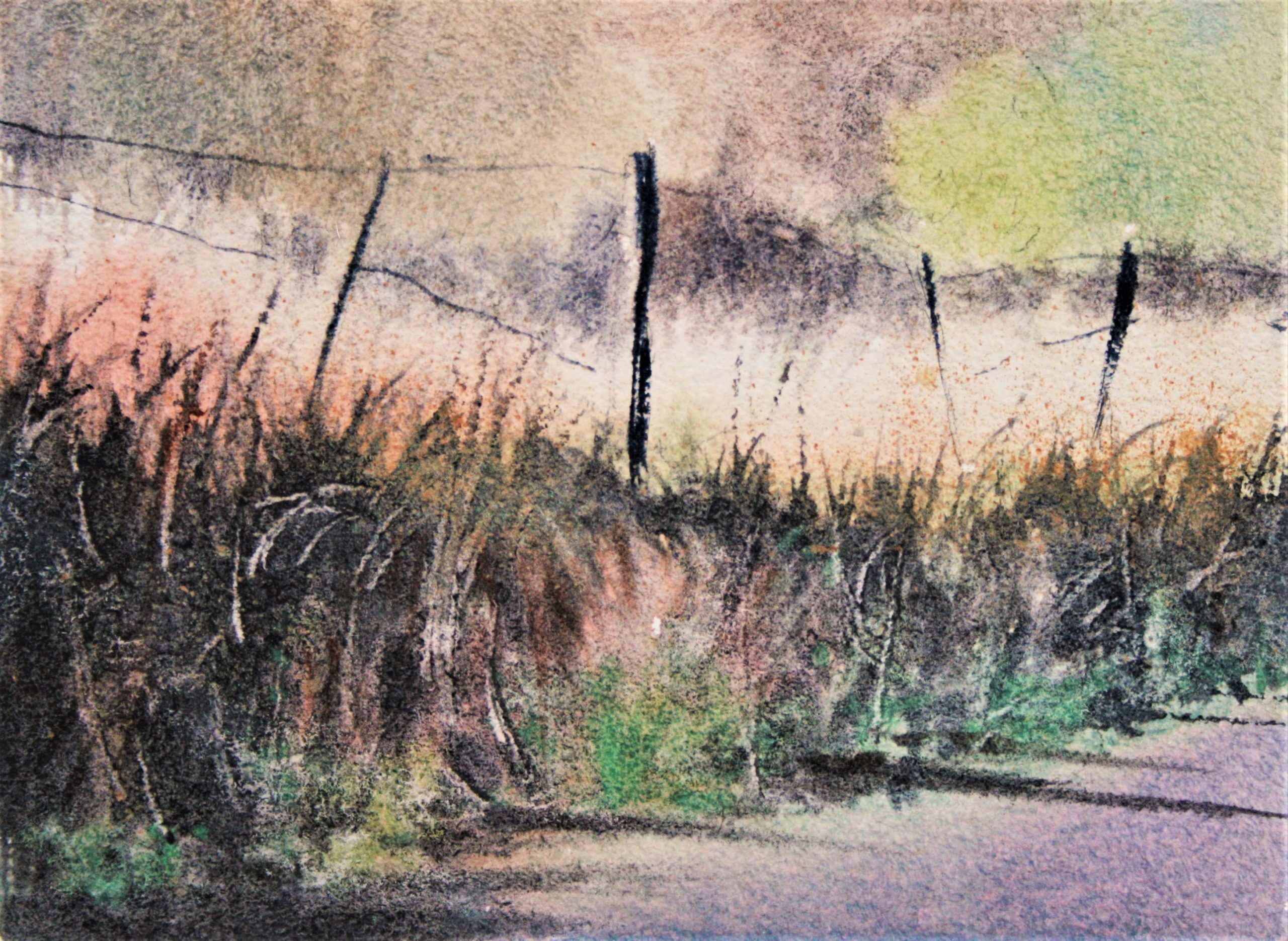
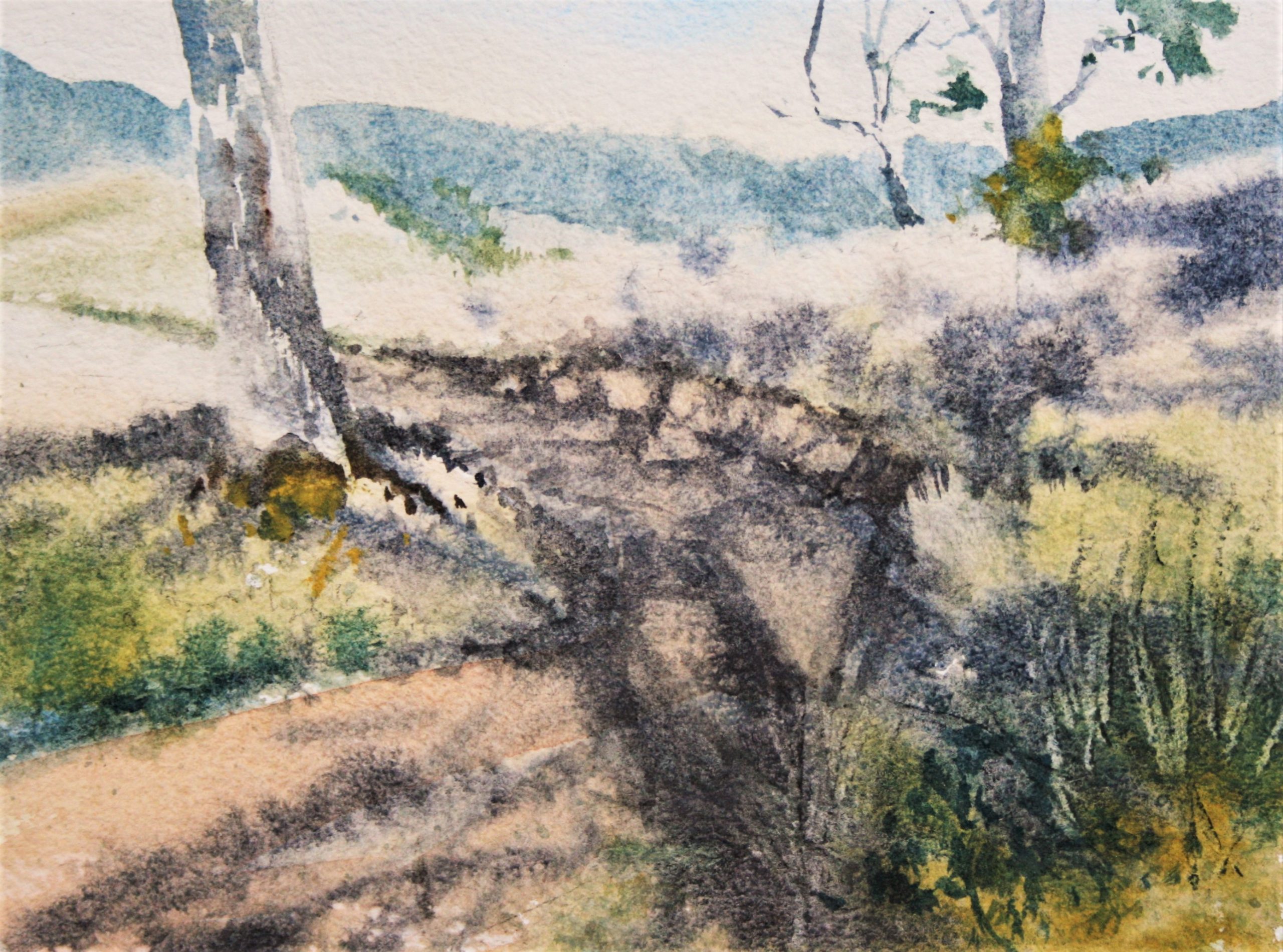

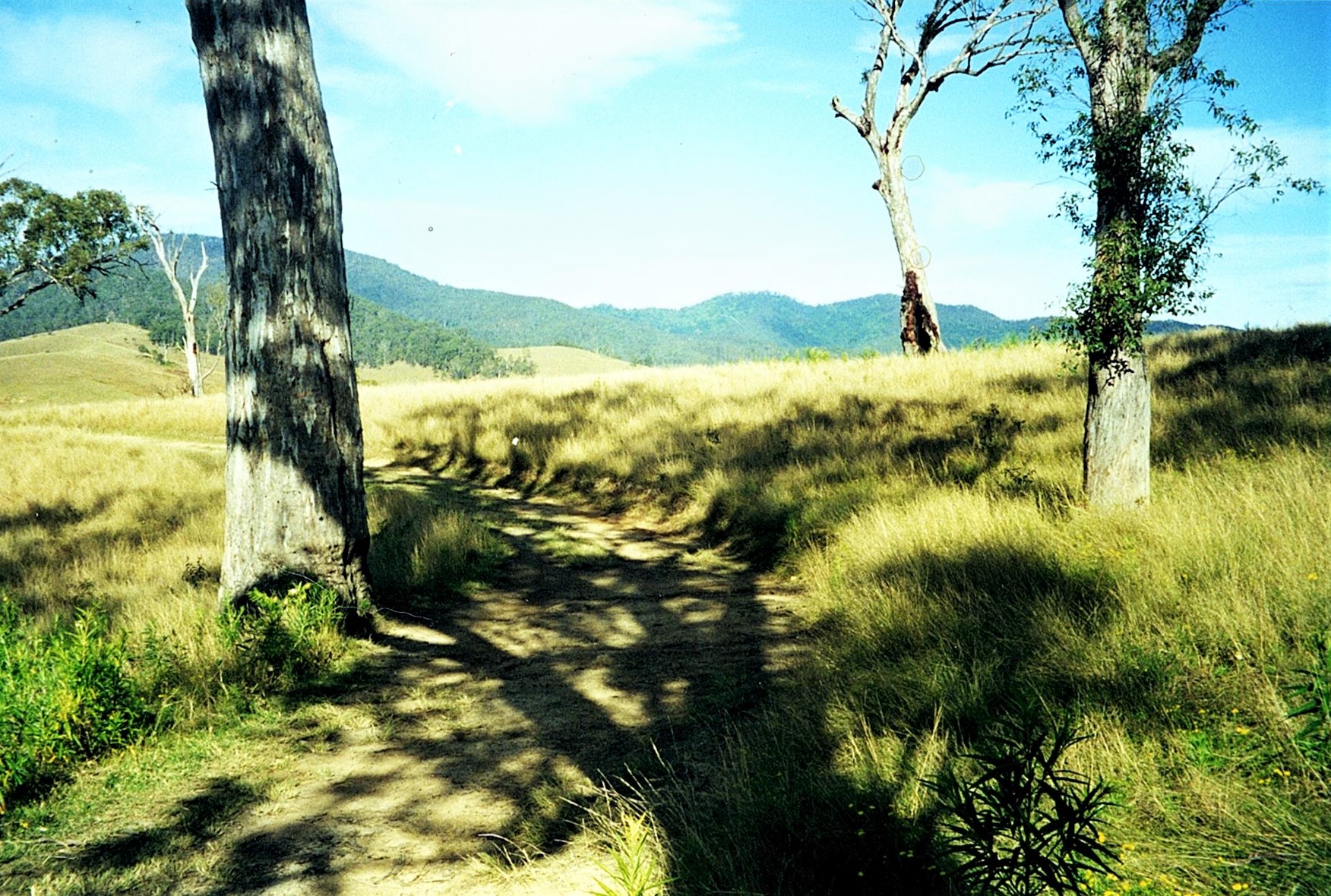
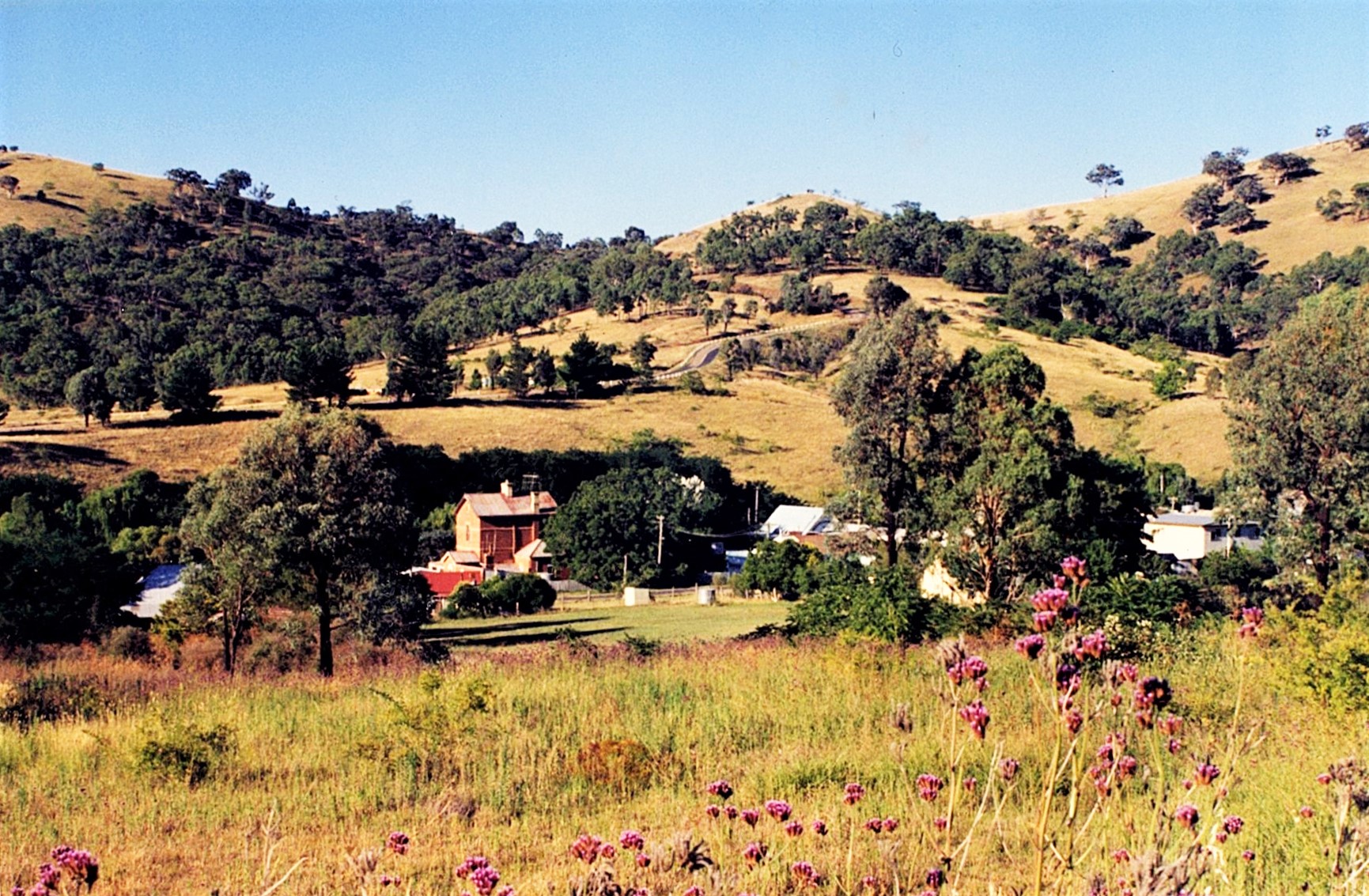
WET INTO WET WATERCOLOURS – On-line classes
All Levels
MATERIAL LIST**SUGGESTED LIST ONLY-Please have as much as you can.
PAPER: Arches, Saunders, Baohong or Canson 300gsm Rough or cold pressed - 1 full sheet cut in half. If you know how to stretch paper, please do so. Alternatively, you could purchase a pre-stretched block close to the ½ sheet size that has 15 TO 20 sheets. Arches, Saunders, Baohong and Canson.
1 LIGHT WEIGHT e.g., Gator or Core Flute backing board suitable to tape a ½ sheet watercolour paper on If you wish to do a ¼ sheet, we will tape it through the middle.
PAINT: I use Daniel Smith Fine Art Watercolours but bring any artist quality paint that you have. Colours you will need are: Aureolin, or Transparent Yellow, Cad Yellow, Quinacridone Gold, Burnt Scarlet or Burnt Sienna, Raw Sienna, Raw Umber, Sepia or Burnt Umber, Cad Red or Pyroll Red, Quinacridone Coral or Permanent Rose, Alizarin Crimson, Carbozole Violet or French Ultraviolet, Phthalo Green B.S. French Ultra Blue, Cobalt Blue, Cerulean Blue, or Manganese Blue. 1 tube W&N designer Gouache. I have added a DS Lavender to range if you would like to try it. Note: where the list above is an either /or, just have one of the colours. I will also suggest the limited palette colours for each subject, selected from the above list.
BRUSHES: All your usual watercolour brushes. Make sure you have a range of round brushes that have a good point. I use my Signature Neef Mop brush series 554 (with my name on it) for a pointy synthetic mop, (beautiful for most of your paintings, plus Escoda Perla in 4,6, & 8 I really recommend this beautiful round brush, that holds the best point. (Old brushes) Plus 1 Acrylic 1-inch square flat brush, plus Neef 4400 Needle point, or Rigger brush size 6 and a stiff Fan brush, with the top shaved off.
OTHER: NOTE* MUST HAVE: Table Easel that is easy to adjust the angle(important) and will not tip over, Fine mist spray bottle for water, (not an atomiser with handle spray) Medium size LIDDED Palette that has at least 4 mixing wells. Box of tissues, (cheap with no Aloe or Eucalyptus), Hairdryer, Apron, Old tea towels, 1 x large old bath towel to place under your table easel. 1 x 60cm steel ruler, 1/2 inch and 1inch roll of neutral colour please Masking tape, coloured is too distracting, 1 x soft white eraser (not a kneadable). Art Diary for sketches and notes. 1 x 2B progressive pencil.